

 FR
When people say “working in sport”, most students picture the club, the pitch, the dressing room. That is the visible part, and also the most competitive. Sports business covers a much wider range of jobs, many of them far from any pitch.
The main job families
Marketing and fan relations. Bringing fans in, bringing them back, getting them to spend. Ticketing, season tickets, loyalty programmes, social media content, the matchday experience. It is often the most accessible way in, because clubs and federations need these skills all the time.
Sponsorship and partnerships. Selling visibility and brand association, then bringing those contracts to life. It is a sales job, but it requires understanding both sides: what the brand is looking for, and what the sports property can really offer.
Media rights. Negotiating, selling and exploiting the broadcasting of competitions. This is where most of the money in professional sport is made. Few jobs, very high-profile, often held by experienced people.
Event management. From regular fixtures to major international events. A job of coordination, logistics and crisis management, where hands-on experience counts for more than qualifications.
Data and performance. Sports performance analysis, but also customer insight, pricing and attendance forecasting. This is the fastest-growing family, and the one where a technical profile stands out most easily.
Legal and finance. Contracts, regulation, financial control, transfers. Less glamorous, but with real ways in for people trained in law or finance.
The routes in that work
There is no compulsory degree. The industry is full of lawyers, salespeople, engineers, communications specialists and managers. What does come up every time, however, is three things.
A first experience, however modest. An internship at an amateur club, a contract on an event, volunteering at a competition: these are often worth more than an extra line on an academic CV. The industry hires heavily on proof of motivation.
A solid skill outside sport. Sport is not something you learn: you play it and watch it. The job, on the other hand, is learned. A good sponsorship hire is a good salesperson first; a good analyst is a good analyst first. Passion never replaces skill, it complements it.
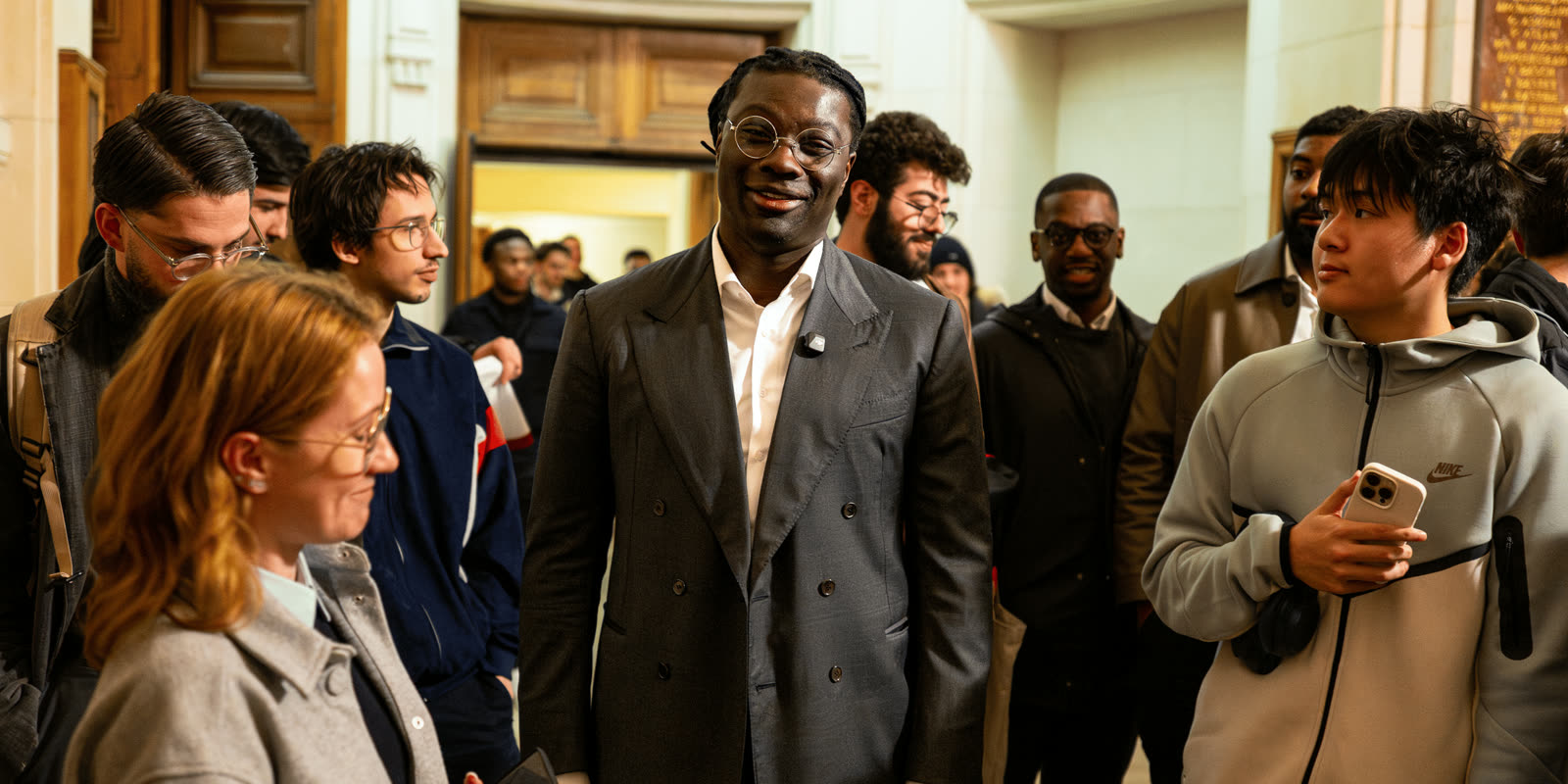
A real network. A large share of jobs are never publicly advertised. They circulate among people who know each other. That is why associations like ours exist: to put students in the same room as decision-makers, several times a year.
Three common mistakes
- Only targeting the best-known clubs. They receive hundreds of speculative applications every season. Federations, leagues, agencies, kit manufacturers and broadcasters hire more, and often train people better.
- Confusing fan and professional. In an interview, encyclopaedic knowledge of a league rarely impresses. What counts is understanding the business model of the organisation in front of you.
- Waiting until you graduate to get started. The useful connections are made while you are studying, not after. A talk, a question asked at the end of a session, a well-written follow-up message: that is how most first internships begin.
So where do you actually start
Choose a job family rather than a sport. Identify five organisations that hire for those roles, not five clubs you like. Go and listen to the people who work there, at talks or on podcasts. Then ask them a specific question: that is the first real step.
Sorbonne Sport Business runs these events at the Sorbonne several times a year, with executives from clubs, federations and media. See upcoming dates.