

 FR
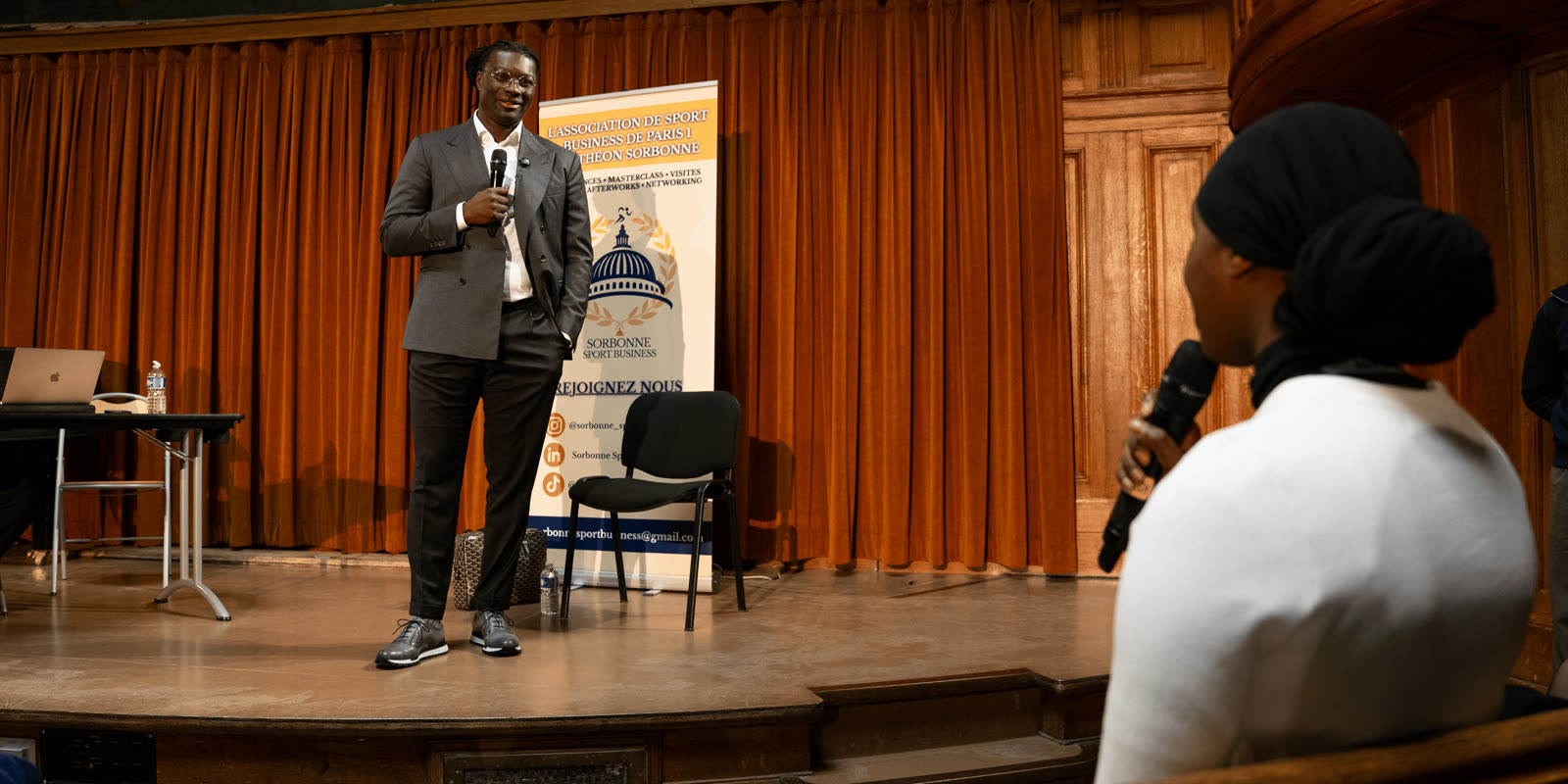
Every year, hundreds of students sit in a lecture theatre, listen to an executive for an hour, applaud and go home. The information is interesting; the opportunity has passed them by. Here is how not to be one of them.
Before: twenty minutes of preparation
Research the speaker, not their organisation. A person’s career path is far more useful than their club’s Wikipedia page. Where did they start? What job did they hold just before? That is where you will find the questions nobody else will ask.
Prepare two written questions. One open question about a decision they had to make, and one concrete question about their day-to-day job. Write them down. In the moment, memory fades faster than you think.
Set yourself a single goal. Not “networking”: that is too vague. Rather: get a two-minute conversation with one specific person, or understand how people get into a particular department.
During: the question that makes you memorable
A good question at the end of a talk meets three conditions. It is short, it focuses on the person’s experience rather than on the news, and it starts with your first name and your course. Those five seconds of introduction are what will let the speaker recognise you ten minutes later.
“Hello, I’m Camille, doing a master’s in sport management. You changed industries after six years: what did you miss, and what did you find again?”
This kind of question almost always gets a full answer, because it asks for a memory rather than an official position.
Straight after: the five minutes that count
The end of the session is the only moment when the speaker is approachable and still mentally available. Don’t leave. Don’t wait for the queue to form either: go up early and keep it brief.
One sentence is enough: mention your question, thank them for a specific point in their answer, then ask if you can write to them. A request to stay in touch is much easier to accept when it follows a real exchange, however short.
Afterwards: the follow-up you won’t regret
Write within forty-eight hours, not three weeks later. The message fits in four lines: where you met, what you took away, what you are looking for, and a specific request that is easy to say yes to.
“Could you spare fifteen minutes?” is a good request. “Do you have an internship?” is not: it puts the person in a position where they have to say no.
- Follow up once, ten days later, never twice.
- If the answer is no, thank them anyway. The industry is small, and people remember.
- If the answer is yes, prepare for that call as you would for an internship interview.
Where an association comes in
All of this means being in the room. That is exactly what Sorbonne Sport Business does: it brings sports decision-makers to the Sorbonne several times a year, and gives its members priority for questions and registration.